
The Story Behind the Photos
Our fascination with music remains one of the most mysterious cultural phenomena. There are countless theories about why we like music, but today I want to talk about one of the most curious ones.
Instruments, rhythm, vocals, and melodies all try to tell a story to the listener. But it’s more than that; the stories surrounding the creation of a piece of music also become part of its culture, enriching it. This culture created around music is a powerful vector of identity. We identify with the narrative of the songs and the life of the artist. The author’s feelings and experiences contextualize the notes and words of their work. Thus, on many occasions, we end up liking the ideas represented in the music more than the melody itself: think of protest songs, national anthems, or love songs that remind you of someone special.
Among the elements that help create this representation or “extended culture,” we find the album cover—the graphic piece that, years ago, covered vinyl records and, later, CDs. The physical limitations of Long-Play (LP) vinyl records restricted duration to about 50 minutes, divided into two sides (A and B) of 25 minutes each. This gave rise to an album standard that has endured to this day, even though we can now fit over a thousand songs on a single device, as Apple suggested when they announced the iPod. Despite becoming something of an anachronism, covers remain visible today on streaming services as a way to identify the work.
In many cases, the cover ends up telling a story just as interesting as—or even more than—the music itself. How many times have I stayed with my headphones on, phone in hand, lying on the bed and inspecting a cover, trying to decipher the message the artist wanted to convey? Quite a few more than I’d like to admit.
After those long hours, both the melodies and lyrics as well as the images on the covers become etched in my memory, becoming part of my identity. Over time, I wanted to share this identity with the world in a creative way, which led to the creation of my Instagram account. Until then, I didn’t even use Instagram!
They say that creativity is born from self-imposed limitations, and in my case, I set the creative goal of recreating album covers with myself as the protagonist. Currently, I dedicate little time to the account in favor of this personal website, where I can express my identity more completely. I want to use this post to talk about some of the album covers that have inspired me most and that I have recreated on my Instagram: the stories behind them and my reinterpretations.
David Bowie
David Bowie is one of the artists who has inspired me most, especially for his ability to reinvent himself and create unique characters like Ziggy Stardust or Aladdin Sane. For this reason, he was known as “The Chameleon of Rock” by many music critics. His avid interest in reading filled his lyrics with references to literature, philosophy, and science fiction, adding layers of depth. Finally, he also knew how to surround himself with talented musicians, encouraging them to collaborate freely and making the resulting mix richer and more varied.
Heroes, 1977
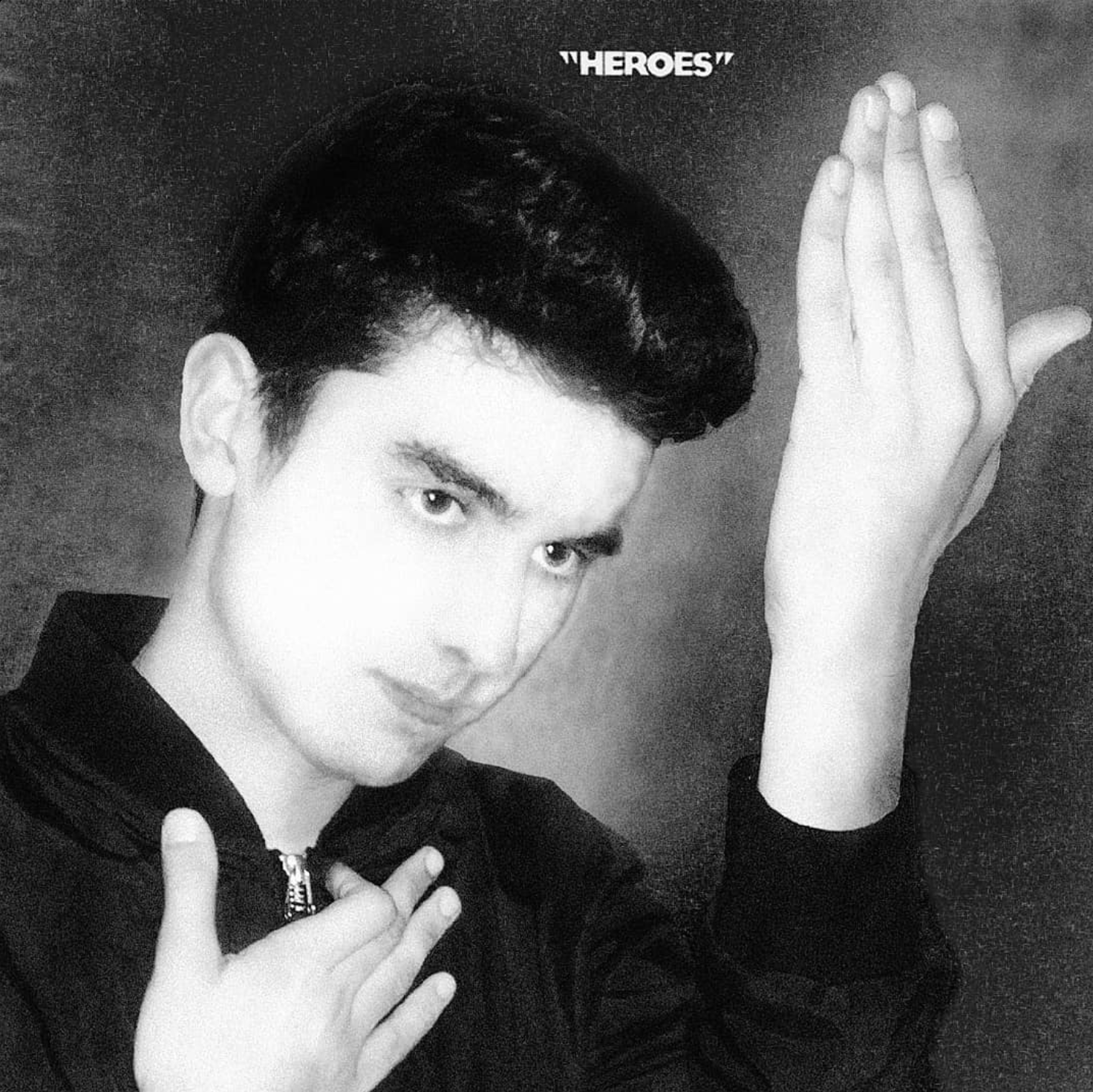
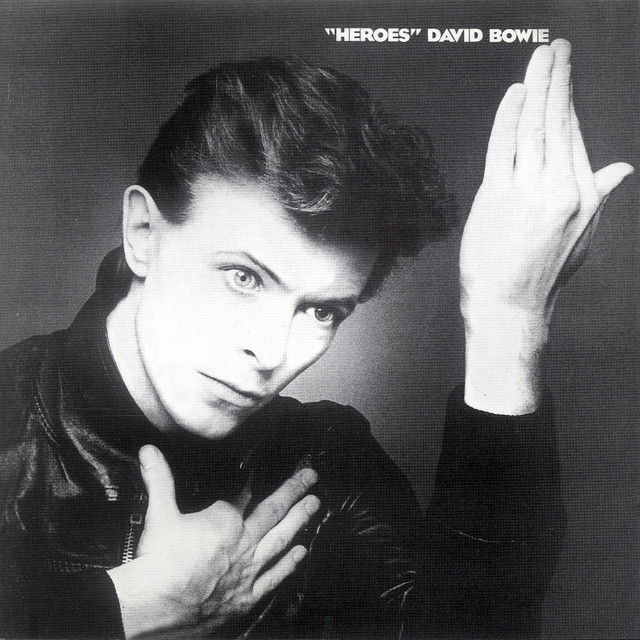
The first album I recreated on my Instagram was Heroes. The title track has become a true anthem, being Bowie’s second most popular track after Space Oddity. He wrote it inspired by a moment when, from his studio window, he caught a glimpse of a couple kissing in front of the Berlin Wall. The entire album features distinctive elements incorporated by the excellent musicians he surrounded himself with, such as the electronic textures of Brian Eno and the looping guitars of Robert Fripp.
Low, 1977

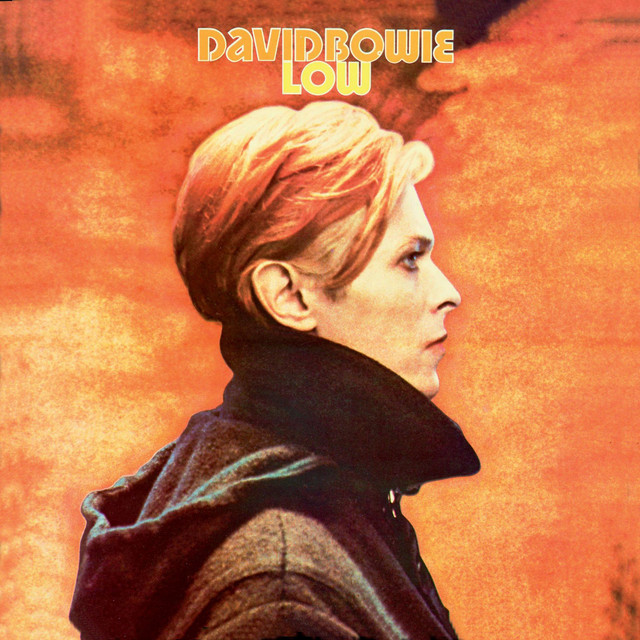
Low is the album preceding Heroes. As the name suggests, it shows a “low profile” in terms of pretensions and constitutes a radical shift in the music he had been making until then. Bowie wanted to leave behind the glam-rock scene he was immersed in and quit his destructive habits; he once confessed that he lived on a diet of milk, peppers, and cocaine for over three years. To achieve this long-awaited change, Bowie “killed” his alter-ego of the time, “The Thin White Duke,” and embarked on a new path by moving to Berlin, where a new musical scene was forming: Krautrock. The influence of bands from this movement like Tangerine Dream, Kraftwerk, or Can is evident in this first album of the “Berlin Trilogy,” which also includes the aforementioned Heroes and Lodger.
Purely ambient songs like A New Career in A New Town, Warszawa, or Subterraneans are examples of this. These tracks evoke a somber aura that transports me to the difficulties Bowie faced in his personal life. The cover completes the experience by showing the process of rebirth with a burning sky—a sunset, a Phoenix fire that gives rise to a new day after a long adventure.
Aladdin Sane, 1974
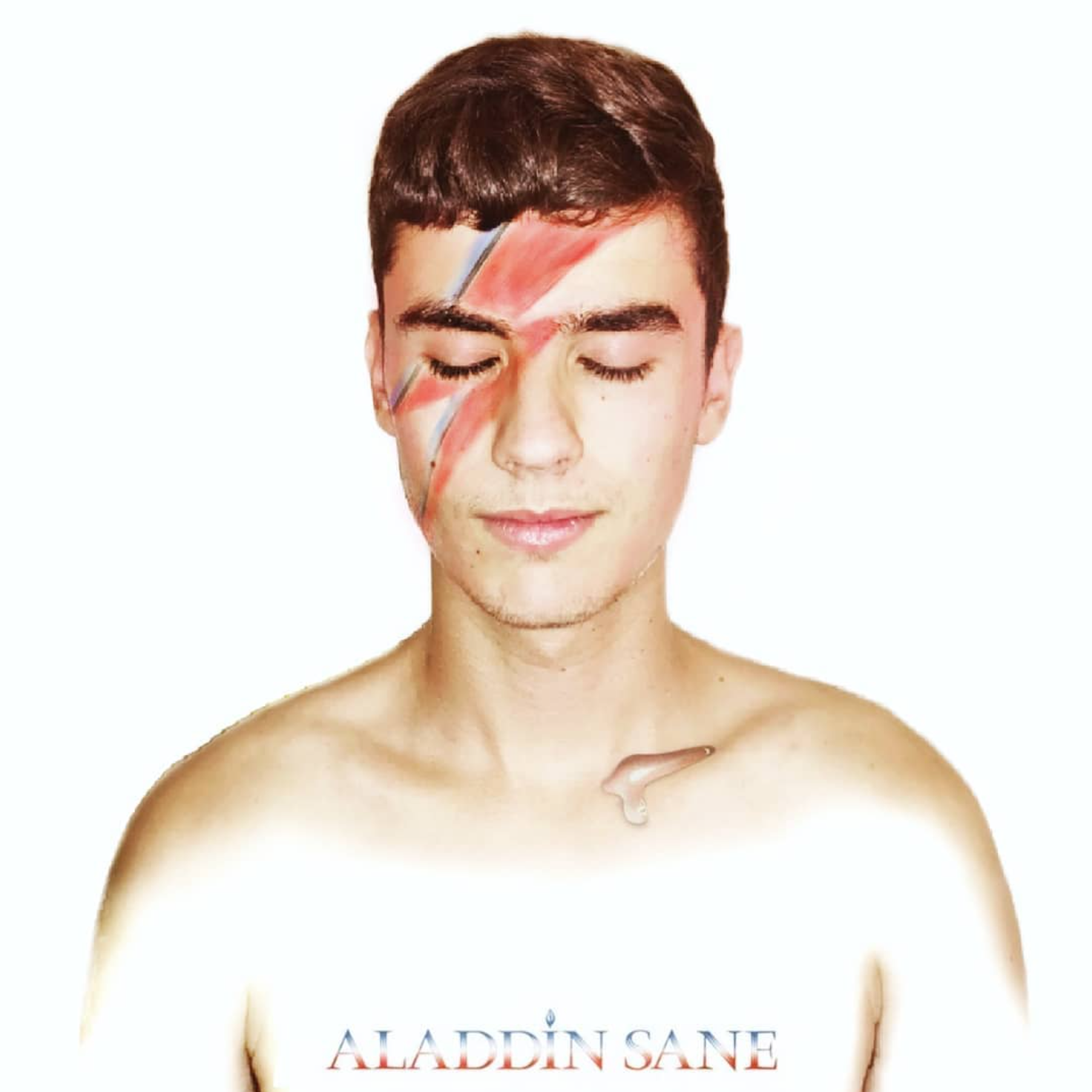
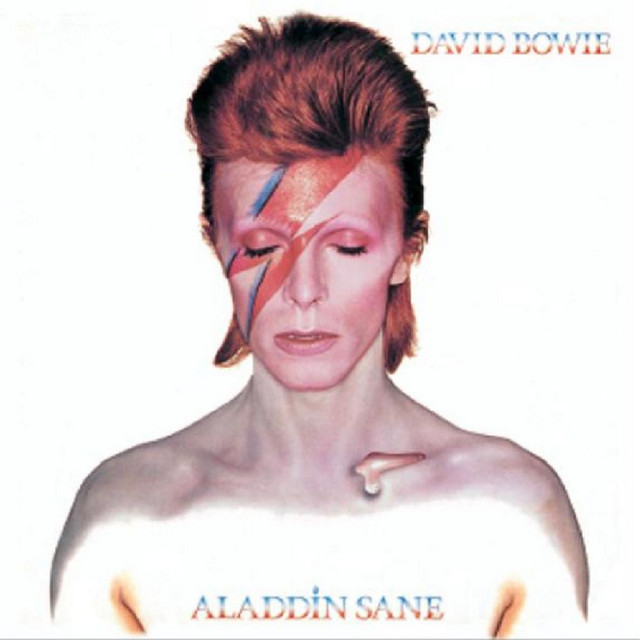
Who doesn’t recognize the Bowie lightning bolt? This emblematic symbol comes from the cover of Aladdin Sane, the album Bowie released in 1974. The lightning bolt on his head crystallizes the duality between sanity and madness. Musically, to represent madness, Bowie opted for a harder rock than his previous albums, sprinkled with elements outside the genre’s traditional establishment—such as the frantic piano notes in Aladdin Sane, the cabaret interpretation in Time, or the romantic piano recreating the cadence of a Spanish guitar in Lady Grinning Soul.
In fact, the avant-garde level of some tracks is so high that I once asked my friend Leandro, a music student, if the pounding piano notes in Aladdin Sane could even be considered a melody. “Believe it or not, he’s hitting the right keys,” he replied. And although I might call it “pounding” for lack of a better word, I think it’s absolutely fantastic, as it conveys feelings and ideas that are difficult to generate any other way. I’ll add: I find the ability to resolve the chaos and make order re-emerge at the end of the notes incredible.
Peter Gabriel
The former frontman of Genesis, Peter Gabriel, has also been a source of inspiration for many years. Although his figure isn’t as eclectic as Bowie’s, his music and staging have always been highly innovative. For example, Peter Gabriel was the first singer to do a stage dive, which he used to do after introducing the song The Knife from the album Trespass.
Car, 1977
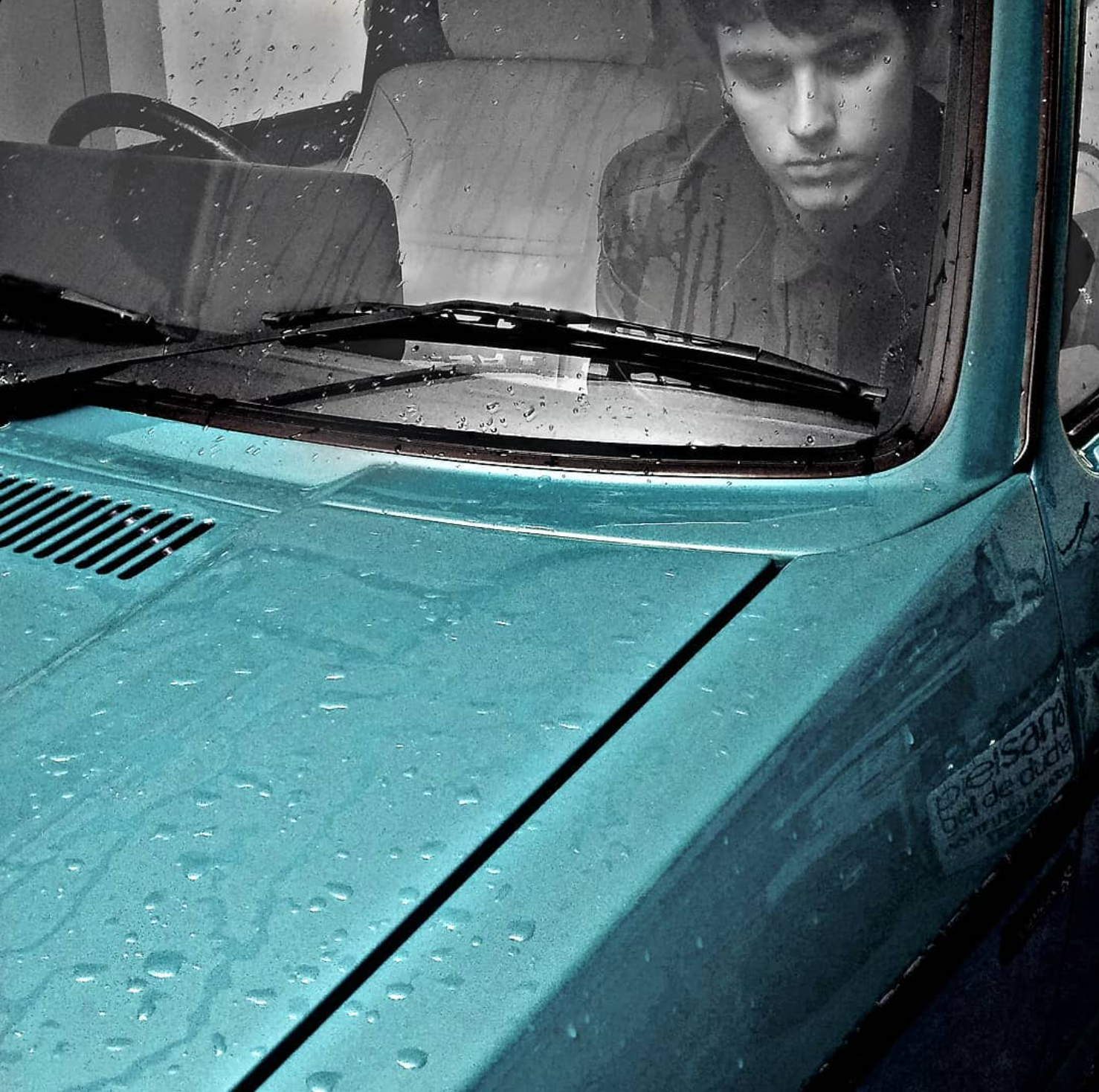
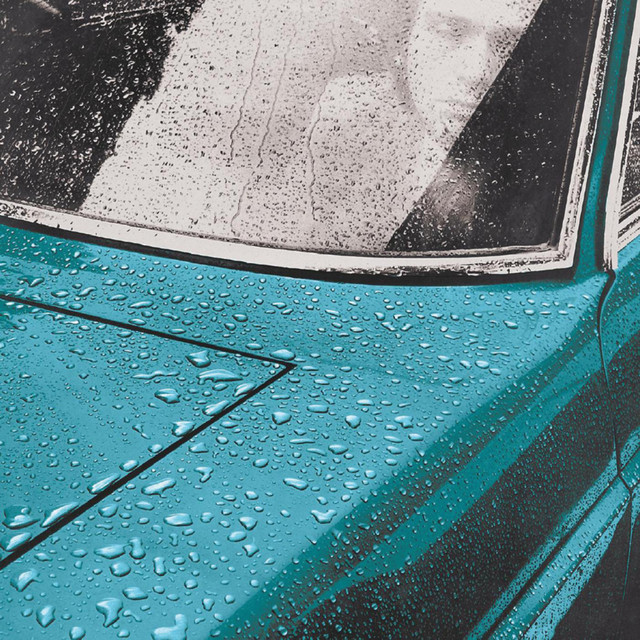
Car is the name attributed to Peter Gabriel’s debut album, released in 1977 without a title (also known as Peter Gabriel I). This alias comes from the cover art, which shows an intense blue Lancia Flavia in contrast with the black and white interior, featuring a melancholy Peter Gabriel in the seat. In my version, I replaced the Flavia with my father’s Volkswagen Golf Cabriolet, an iconic car from the 80s.
The cover design was commissioned to Hipgnosis. I cannot dedicate an article to album art without mentioning this famous collective of artists. Bands like Pink Floyd, Genesis, and Led Zeppelin trusted their creativity to take their albums to a higher level. In fact, this isn’t the only Hipgnosis cover I’ve recreated, as you’ll discover.
Scratch, 1978
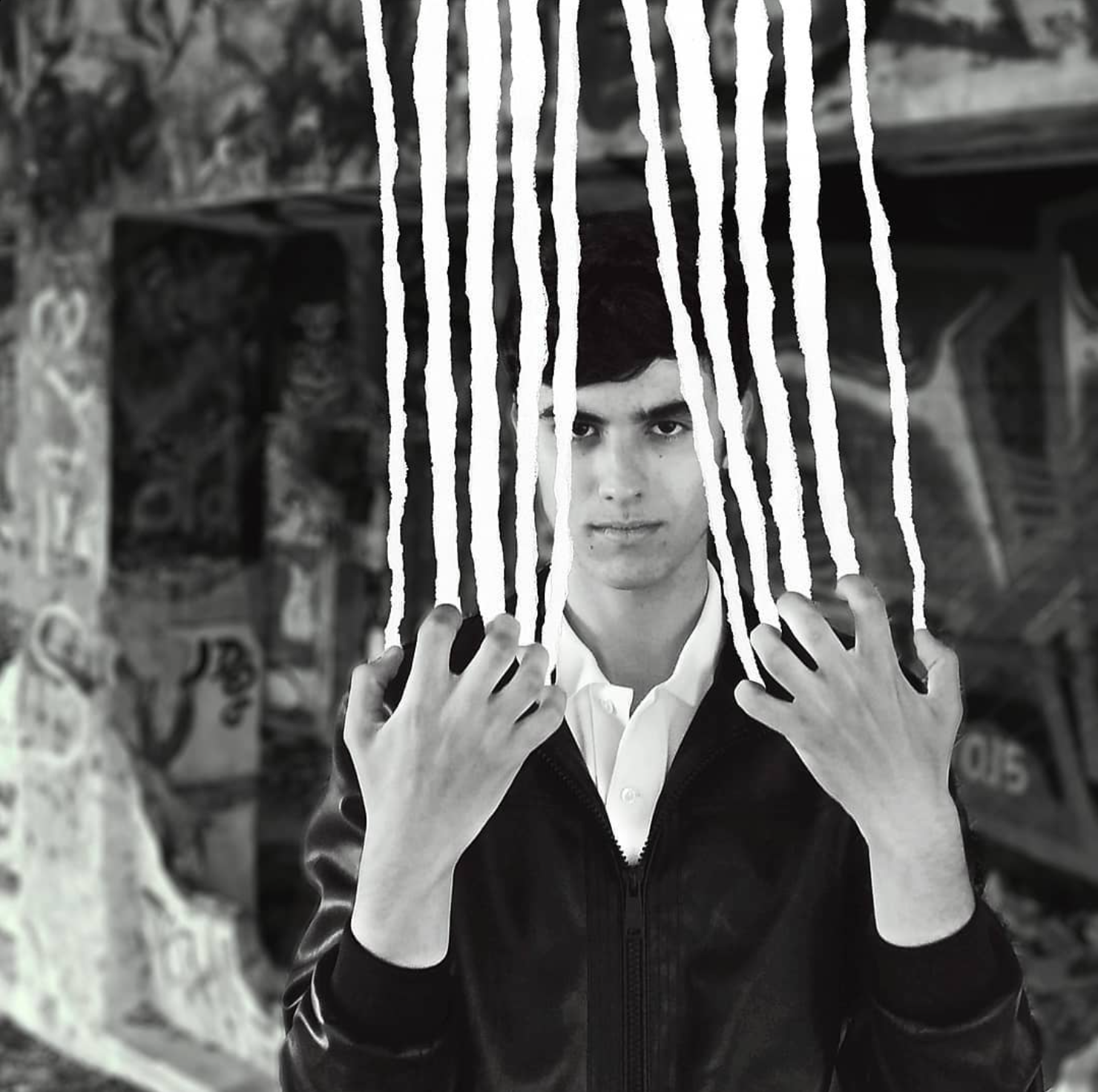
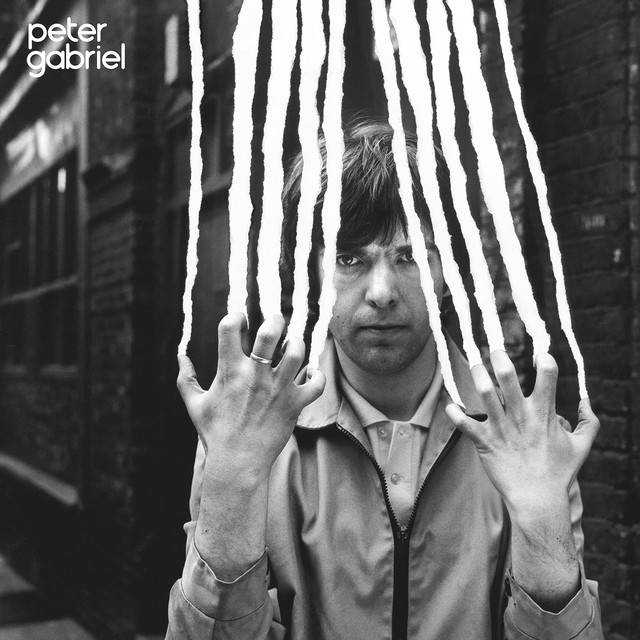
Scratch (or Peter Gabriel II) is his second studio album. Also designed by Hipgnosis, the cover shows a serious Gabriel “scratching” the album, brilliantly using the concept of self-reference. By tearing his own album, Gabriel shows us the destruction of his old self to give rise to a new Peter Gabriel—more emotionally open and with a new musical proposal.
In my recreation, I chose to add a brushstroke over the top to emphasize the concept of creative destruction. We decided to take the photo in an abandoned location: the mythical Festival Club, in the center of the island of Ibiza. The building opened in 1972 as the first “macro-venue” for luxury tourists. Interestingly, the place was so extravagant it even included a small bullring. However, just two years later, it closed due to financial problems.
After many years where nature gradually reclaimed its territory, graffiti artists began to see Festival Club as a massive canvas. Layer after layer of spray paint, the venue mutated into a place of free artistic expression. This transformation slowly attracted new visitors, but in a radically different way than initially expected. Lately, after 50 long years, some tour companies have started organizing excursions to visit this place, closing a peculiar cycle of destruction and rebirth.
Pink Floyd
Pink Floyd is one of the most iconic bands in history. Led initially by Syd Barrett, the group began with eminently psychedelic influences but quickly evolved, exploring diverse musical territories.
Wish You Were Here, 1975
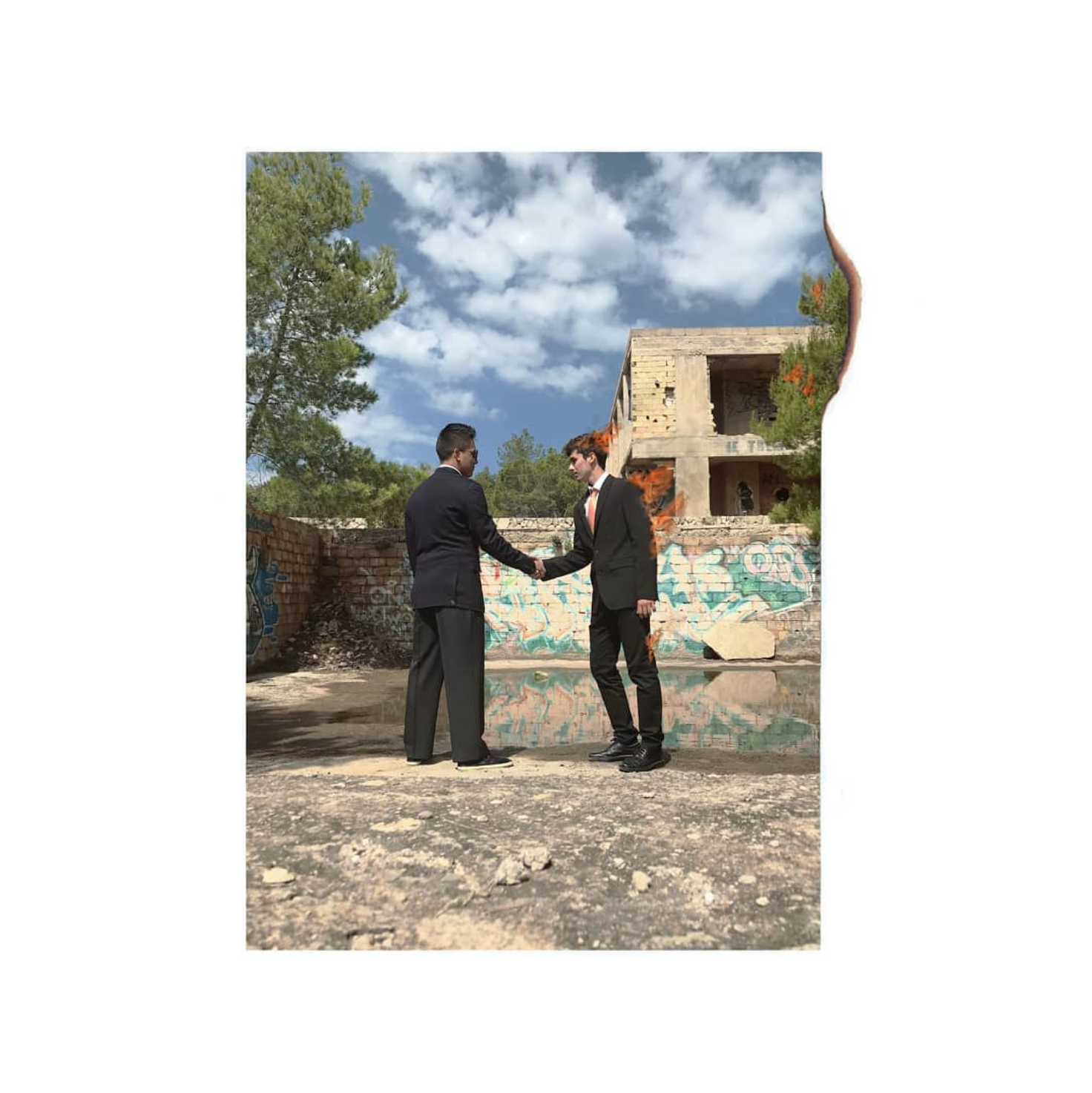
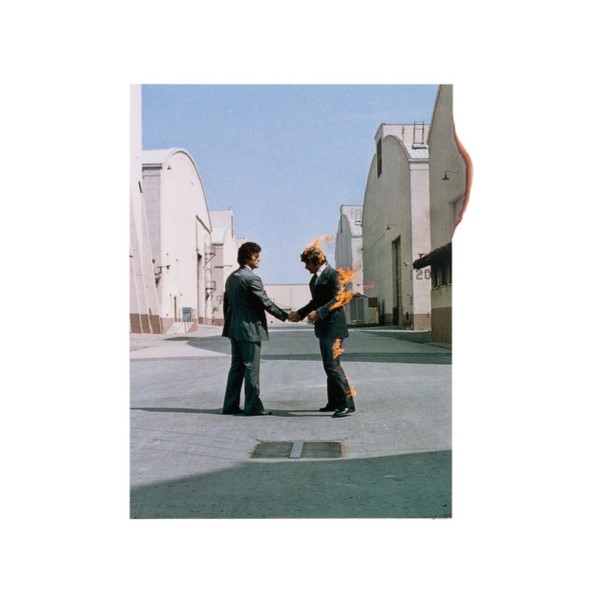
Of all their albums, I chose Wish You Were Here. The cover features two men in suits shaking hands in a movie studio lot, representing a business deal. Allegorically, one of the men is on fire. Hipgnosis took cover creation to another level here. This wasn’t a photo montage; it was a stunt with complicated logistics: a real actor was set on fire in a fireproof suit. The photographers had only seconds to capture the image before the heat became dangerous.
Business can burn you, especially when seeking maximum profit without a moral compass. Pink Floyd wanted to show their dissatisfaction with the music industry and how it uses people and creativity for financial gain. This theme is reflected in Welcome to the Machine and Have a Cigar.
The other central theme is absence, present in Shine On You Crazy Diamond and the title track itself. The story inspiring these songs is truly tragic. Syd Barrett, the visionary founder, had deteriorated due to psychedelic substance use. During the recording sessions for this album, a bald, overweight man with shaved eyebrows wandered into the studio. No one recognized him at first, but his features caused a vague shiver. It was Syd. He was a ghostly shadow of the charismatic leader he once was. The impact was devastating; the band members couldn’t hold back tears. That heartbreaking encounter became the very soul of the album.
Luckily, my recreation isn’t tragic at all. My friend Christian and I appear shaking hands as a sign of respect. Naturally, I didn’t dare set myself on fire. However, we did look for an emblematic location. The original is in a Hollywood studio, but since Ibiza lacks those, I followed the Scratch philosophy and looked for ruins.
I chose the ruins of the hotel complex at Cala d’en Serra. Initially designed by the famous Barcelona architect Josep Lluís Sert, construction was halted in the mid-70s and finally abandoned in 1983 after his death. Aside from this “monster” born of an avid tourism industry, Cala d’en Serra remains a fairly pristine cove, little visited by mass tourism.
King Crimson
King Crimson is one of the few bands I’ve been lucky enough to see live (Barcelona, 2019). While not a household name, their music is technically fascinating and was a major influence on Progressive Rock. Interestingly, there is a street named King Crimson in Formentera, named because the band was inspired by the island for their song Formentera Lady.
Red, 1974
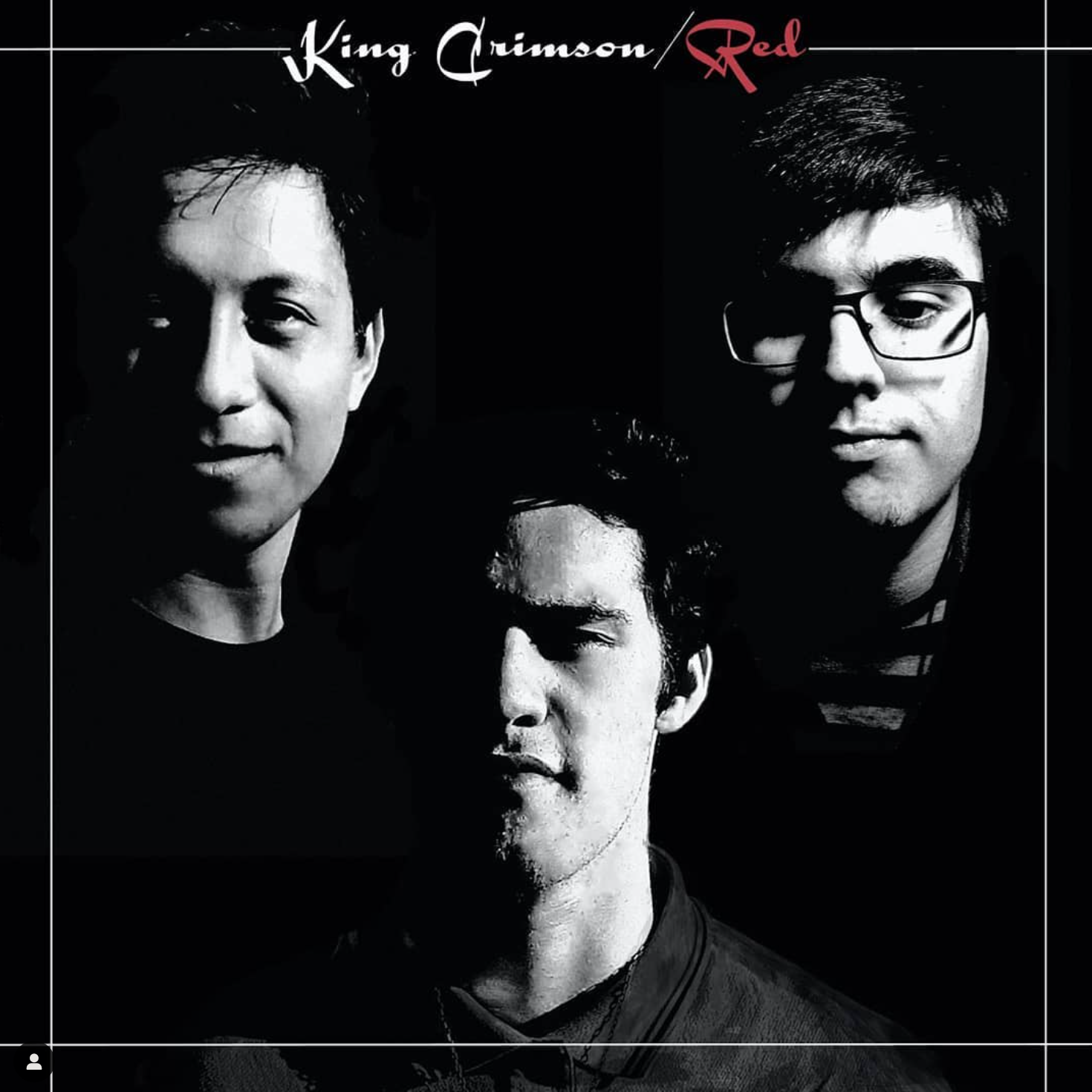
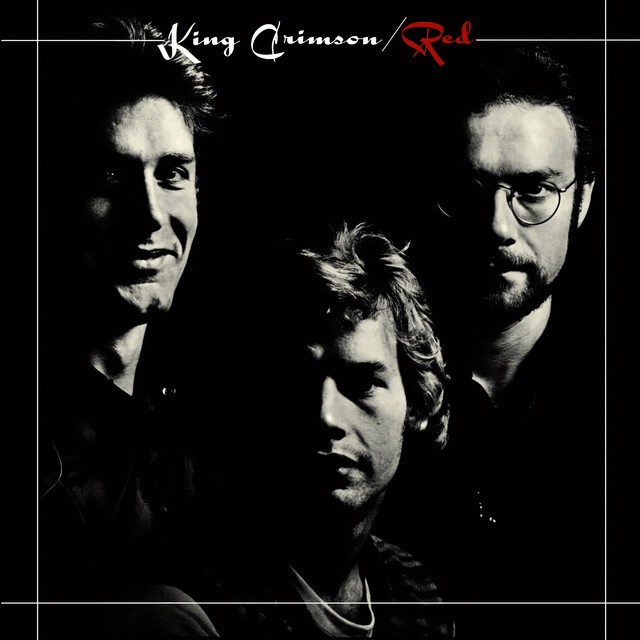
Red is the band’s darkest album. It combines heavy riffs with soft, melancholy melodies, highlighting music as a contrast between the expected and the unexpected, order and chaos. This harshness reportedly inspired Kurt Cobain when developing Nirvana’s style.
The spirit of Red crystallizes in its final song, Starless. This 12-minute epic begins with a sweet melody that progressively degenerates into heavy, chaotic riffs, culminating in a sonic apocalypse that symbolizes eternal darkness.
In my recreation, three close friends from high school appear: Christian, Leandro, and myself. With this montage, I wanted to express the idea that despite the melancholy and darkness of life, the core of true friends remains unchanged. The photo is unadorned, in black and white, with a dark background. At the end of the day, the only important thing was us and our time together.
Japan
Quiet Life, 1979
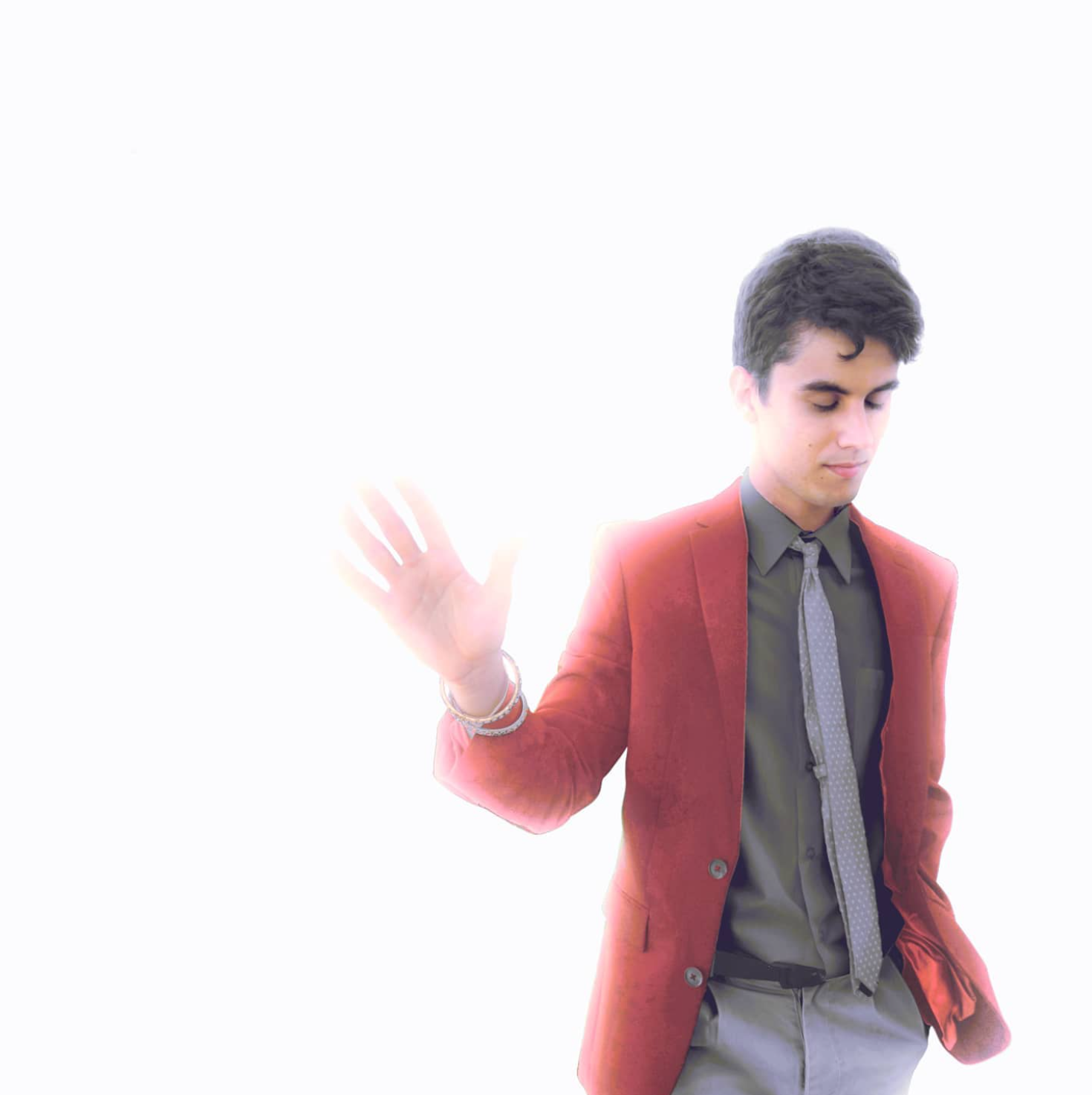
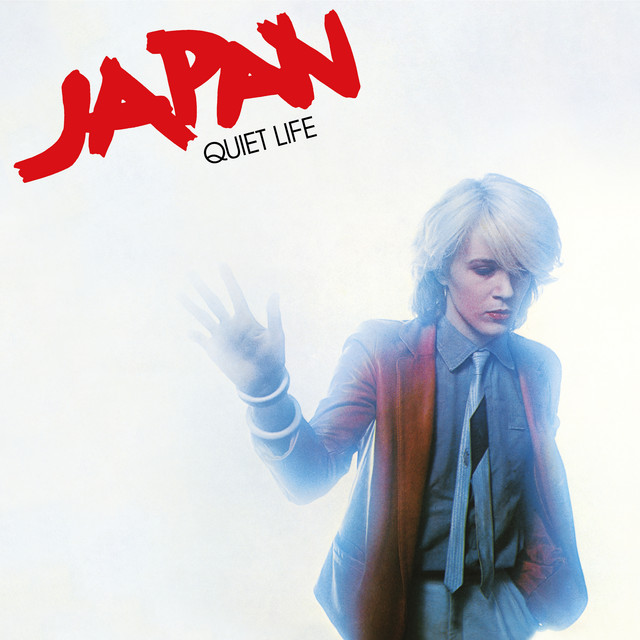
The cover of Quiet Life features David Sylvian, the vocalist, in a red suit fading into a bright white background. It shows the contrast between the striking colors and the singer’s downcast face, in tune with the sophisticated and contained melancholy of their music.
The Beatles
Revolver, 1966
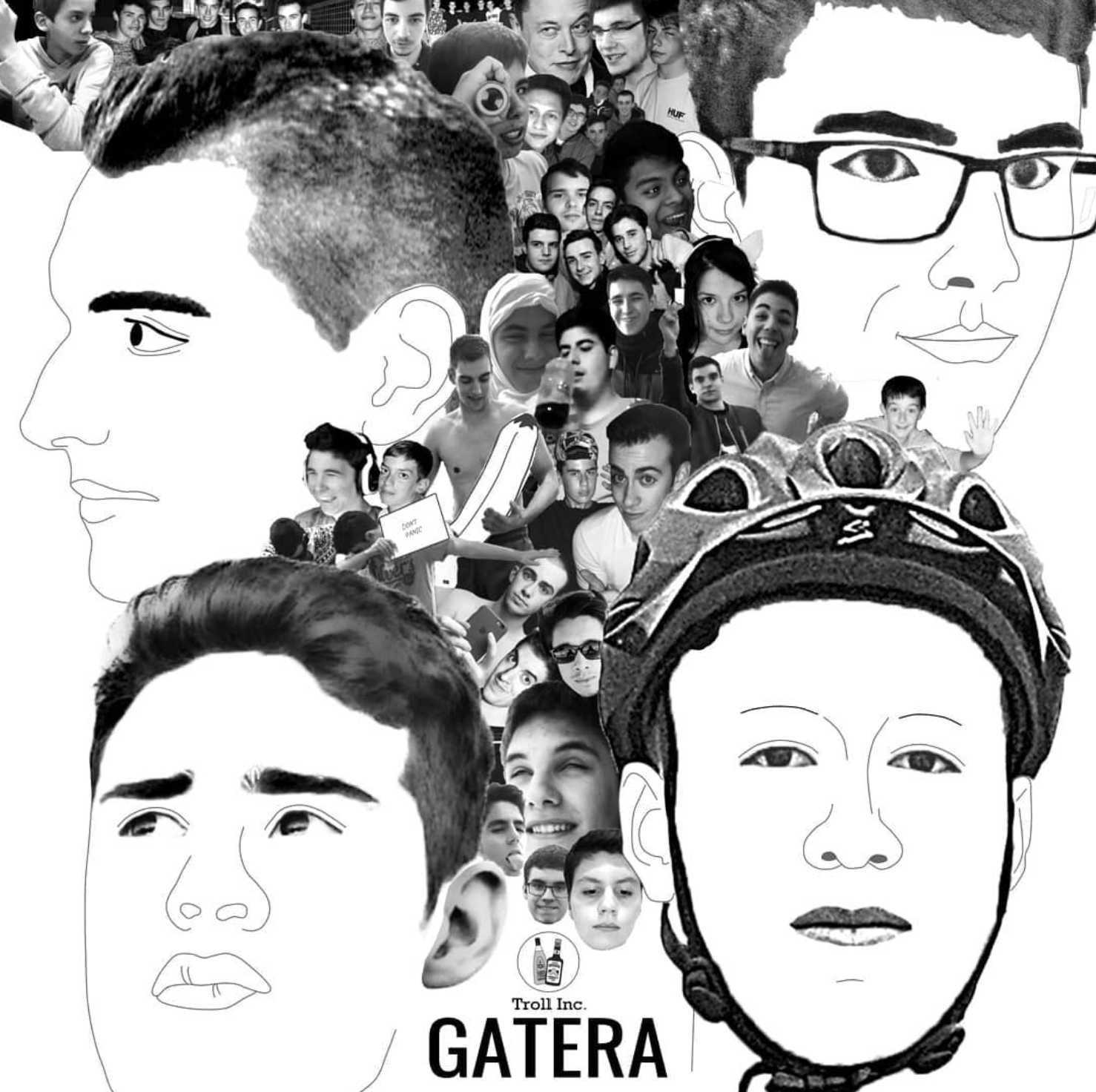
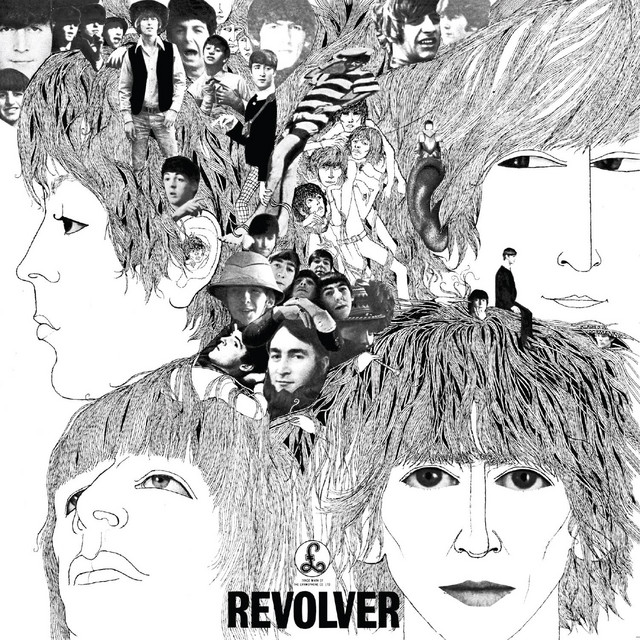
Revolver was the first of the Liverpool group’s experimental albums. The cover features line drawings of the band members with a collage of small photos of them appearing in their hair.
My friend Christian started a habit of immortalizing our nights out—what we call a “gatera” in Ibizan (a heavy night/bender). After collecting a handful of funny images, I decided to merge them into a collage based on the Revolver cover.
One More Thing!
To finish, the story of three more images. These aren’t album covers, but parodies of art and fiction that occupy a place in my personal culture.
The Last Supper
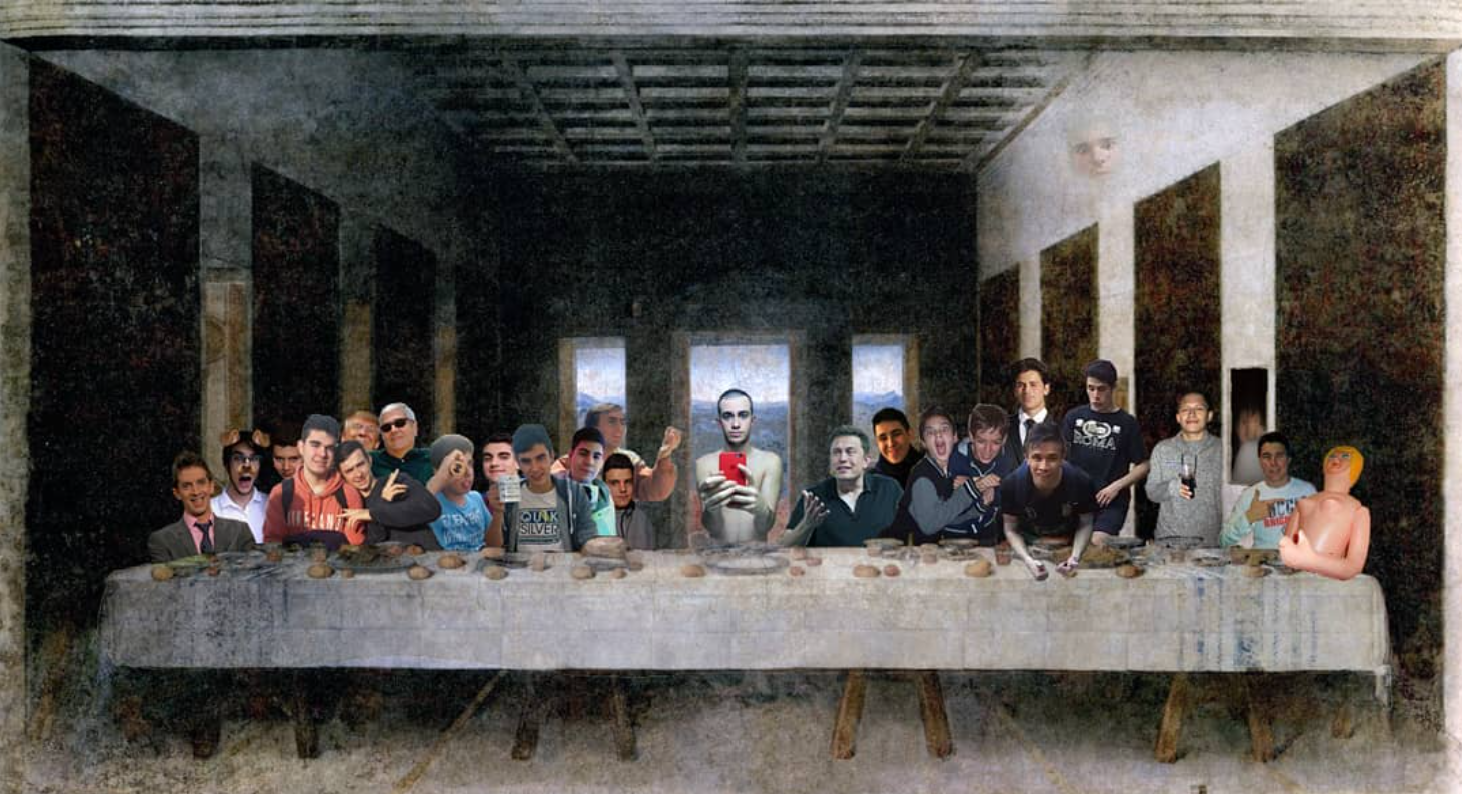
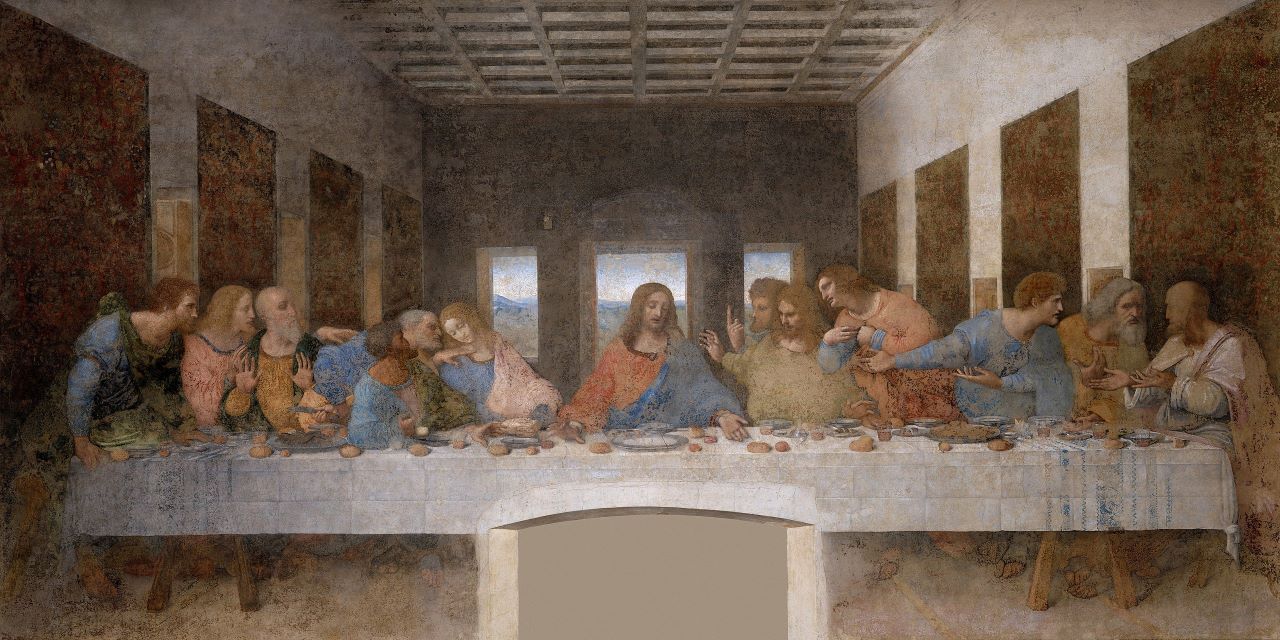
One of the most legendary works in history is Leonardo Da Vinci’s The Last Supper. It is perhaps the most parodied visual work, aside from Abbey Road (which I also parodied but never published—only true Troll Inc. members have seen it). This recreation honors my pre-university friends and others fundamental to my identity.
Rick and Morty
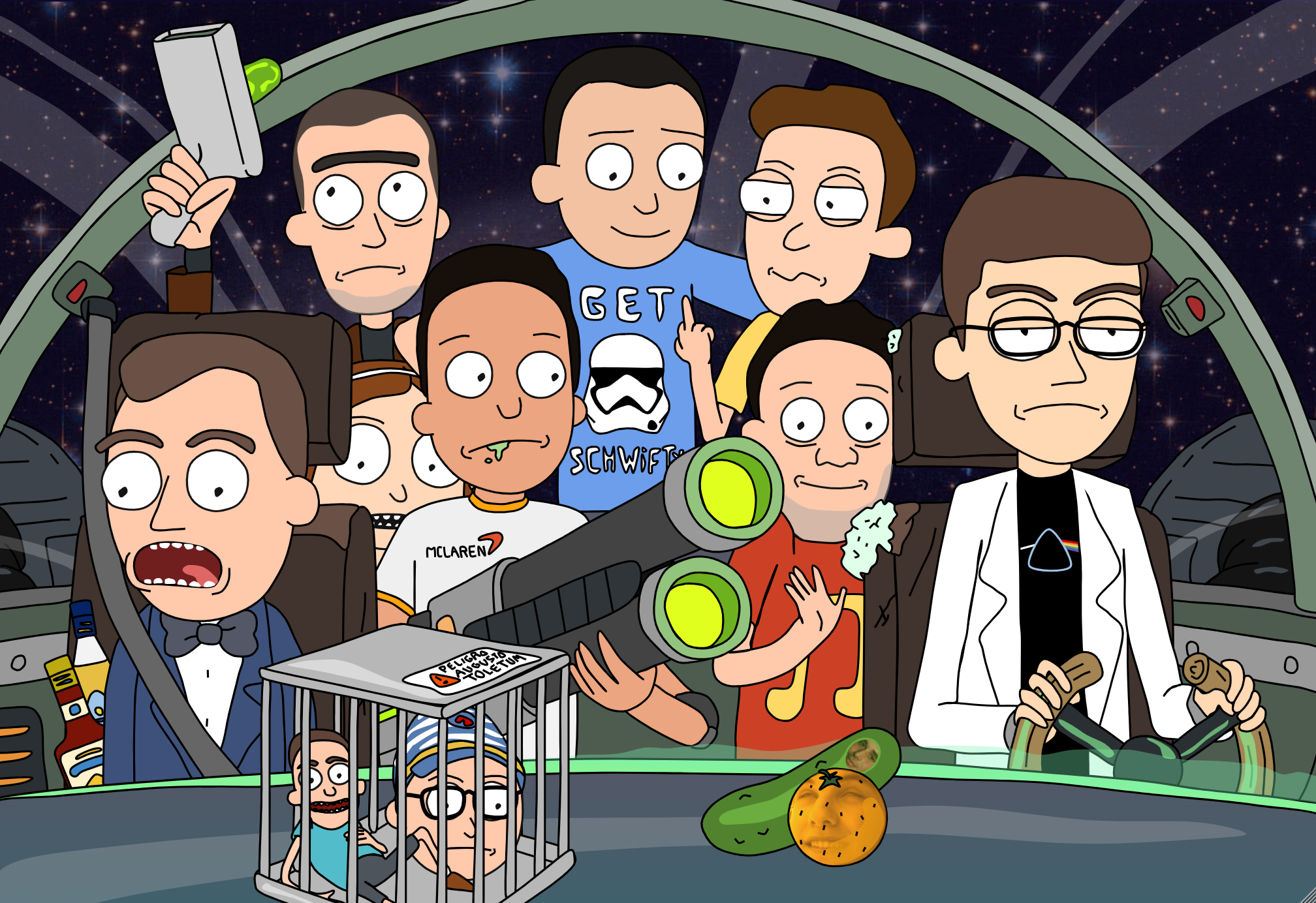
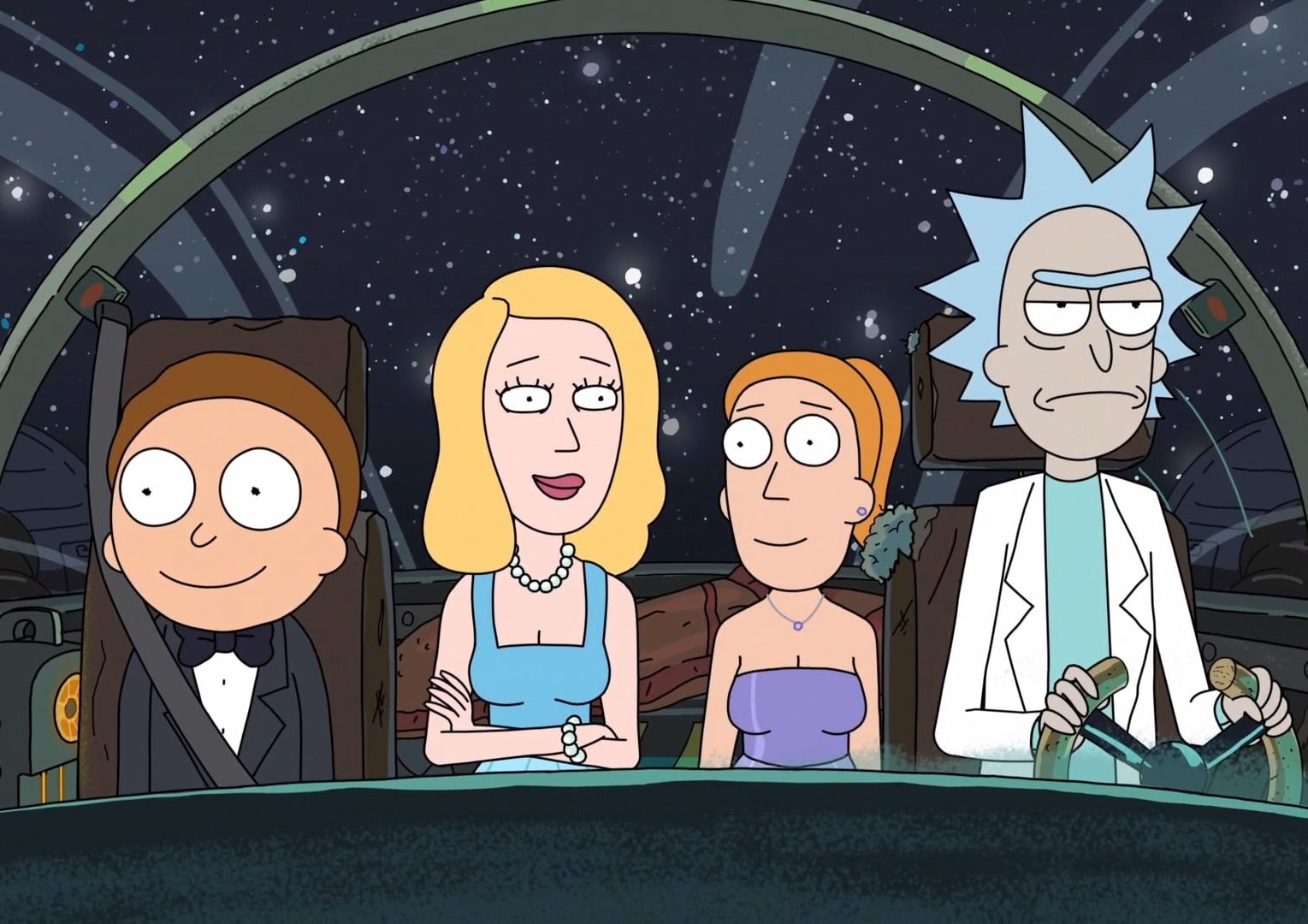
In this recreation, my friends and I venture out in Rick’s ship. I’m not sure if it’s a good idea for me to be at the helm, but at least Carlos didn’t forget to bring his bottles of Ibizan herbs (hierbas ibicencas) to have a good time and end up with a proper “gatera.”
Steve Jobs

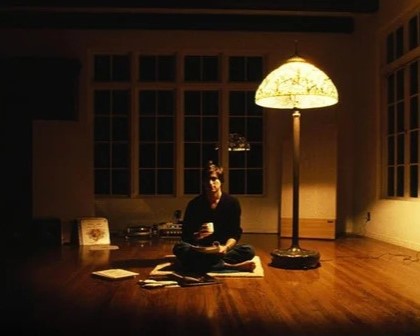
Walter Isaacson’s biography of Steve Jobs deeply marked my adolescence. It made me reflect on the intersection where technology and art coexist.
With the advancement of Generative AI, it’s becoming easier to generate images where I can appear inside any cover or artwork. For me, that takes away some of the charm. I loved the process: looking for a location, preparing the scene, finding the right clothes, the lighting, the pose, the editing… A whole creative process simplified into a few clicks.
What do you think? Do you prefer traditional photography and editing over AI generation? Do you think AI limits creativity? Would you like me to recreate another album? I’ll read your thoughts in the comments.
Finally, I hope the forces of perseverance and creativity never leave you. In the words of Steve Jobs:
“Stay Hungry, Stay Foolish”
Until the next post!